Testosterone gel is a prescription form of testosterone replacement therapy used for some men with confirmed testosterone deficiency. Its effectiveness depends on appropriate diagnosis, product-specific dosing, absorption, consistent use, and follow-up monitoring. This guide explains what effectiveness means, the factors that influence response, major safety considerations, and how gel differs from other testosterone delivery methods.
Medical Note
Testosterone gel is a prescription form of testosterone therapy. It should only be used after appropriate medical evaluation, laboratory testing, and guidance from a licensed healthcare provider. This article is for educational purposes and does not replace professional medical advice, diagnosis, or treatment.
1. What Is Testosterone Gel?
Testosterone gel is a topical form of hormone replacement therapy used to treat men with low testosterone levels due to hypogonadism. Hypogonadism is a condition where the body doesn’t produce enough testosterone — a hormone essential for muscle growth, bone density, mood, libido, and energy.
The gel is applied daily to the upper arms, shoulders, or thighs. Once absorbed through the skin, testosterone enters the bloodstream, delivering steady hormone levels.
FDA-Approved Brands: – AndroGel – Alcohol-based, applied to upper arms or shoulders. – Testim – High absorption rate. – Fortesta – Applied to inner thighs.
International Alternatives: – Cernos Gel – Testoheal Gel – Widely used in South Asia & the Middle East.
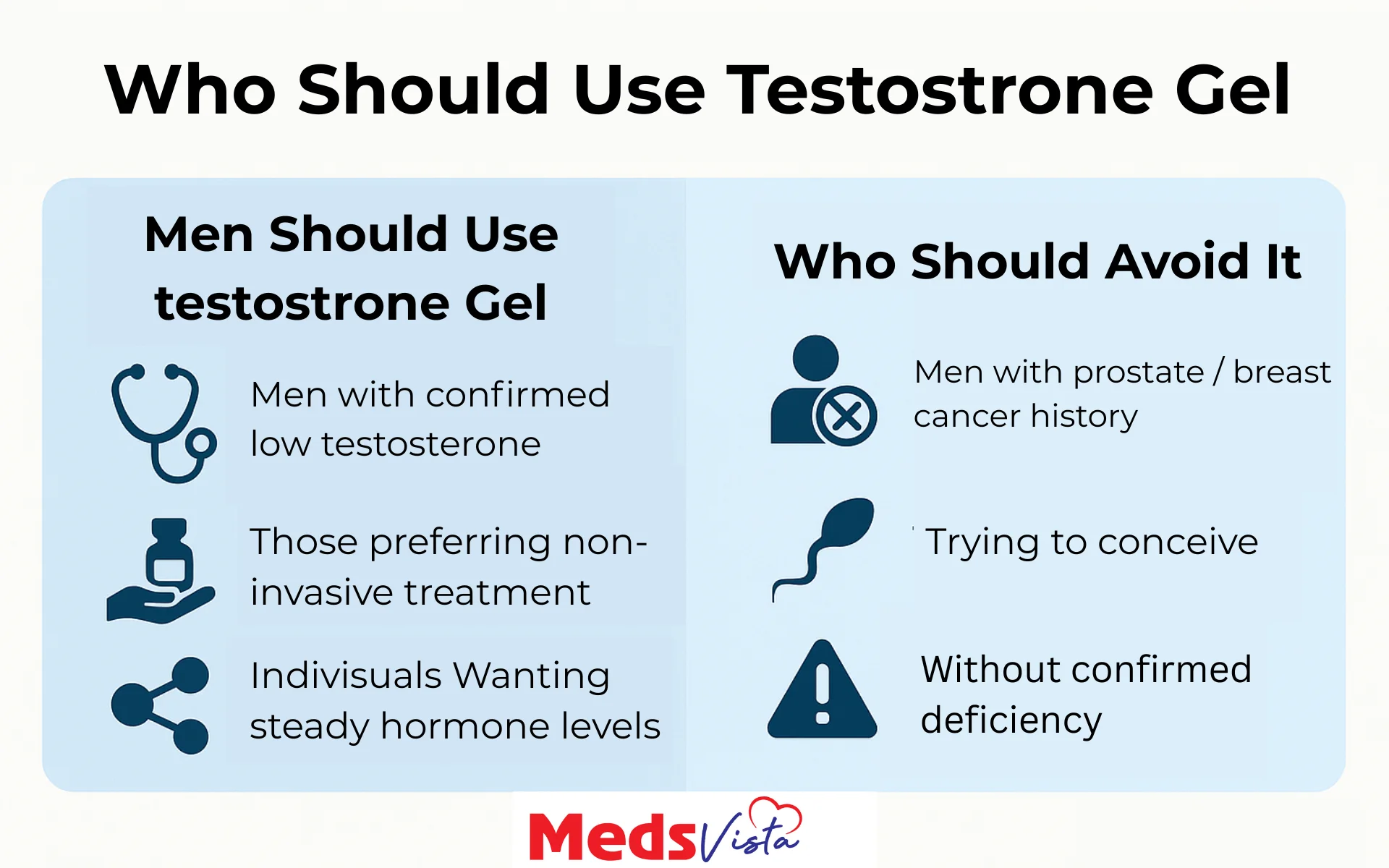
Men who may benefit: – Confirmed low testosterone Preference for non-invasive therapy Desire for stable hormone levels
Men who should avoid it: – History of prostate/breast cancer Trying to conceive No confirmed deficiency
3. Is Testosterone Gel Effective Compared to Injections?
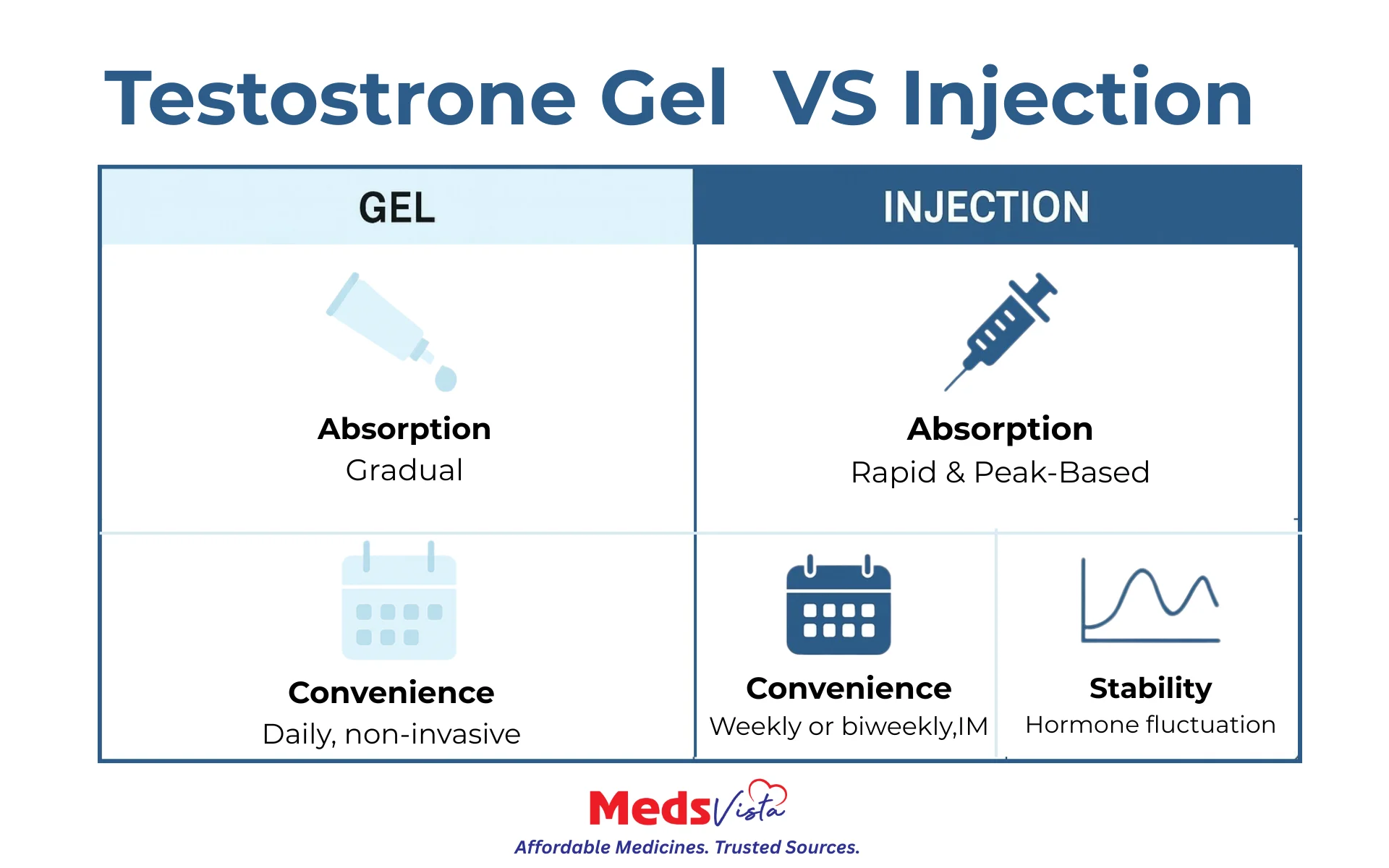
Testosterone gel and injections can both raise testosterone when appropriately prescribed and monitored, but they differ in routine, absorption pattern, transfer risk, and dosing schedule. This page focuses on whether gel can be effective; for a full method comparison, see Testosterone Gel vs Shot: Differences, Benefits, Risks & Considerations.
Gel Pros: – Even hormone levels – Non-invasive – Daily routine
Key Takeaways: – Gel = gradual, stable release – Injections = peak-based, less consistent
4. How Long Does Testosterone Gel Take to Work?
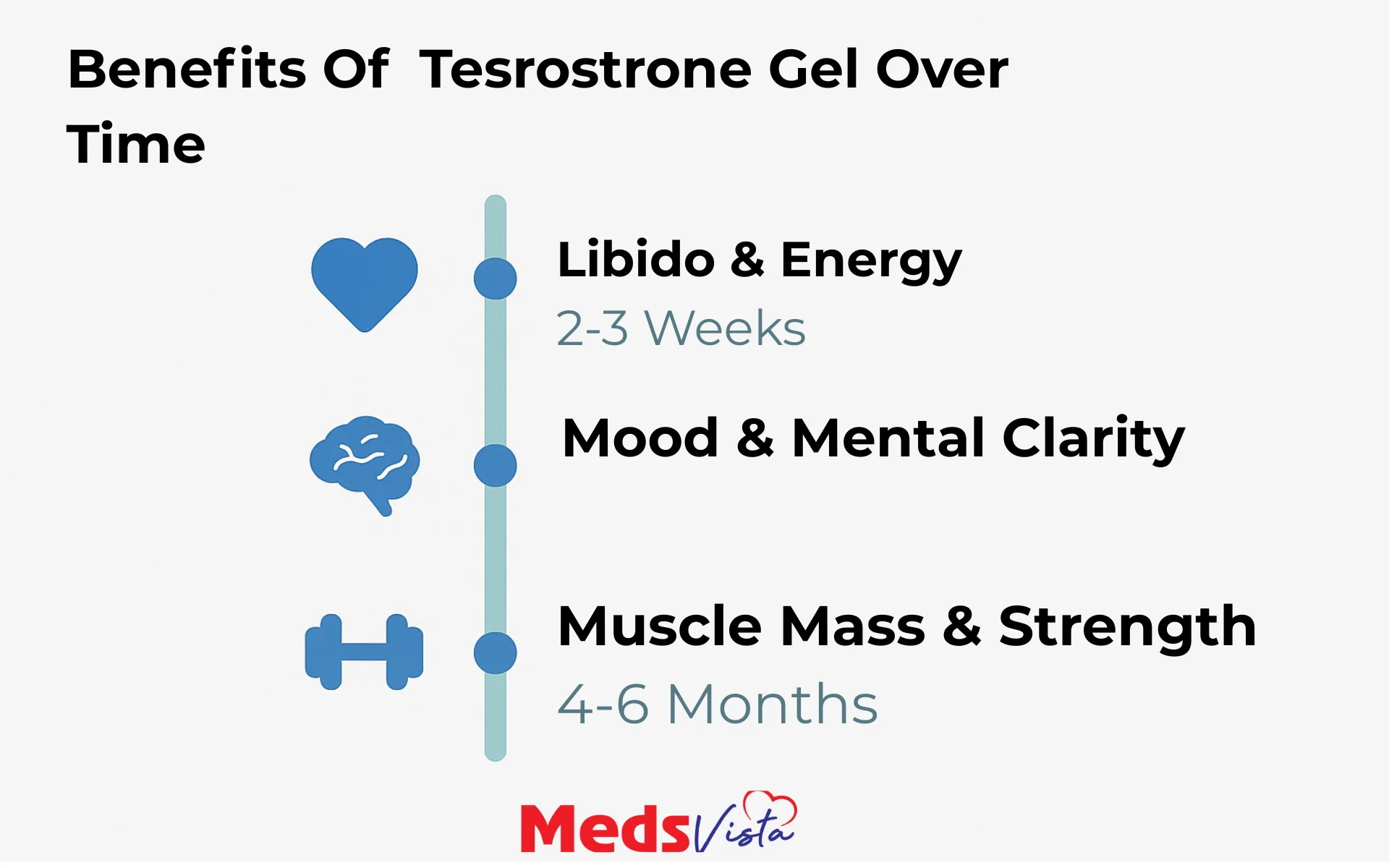
Response is gradual and varies between individuals. Some symptoms may change earlier than body-composition outcomes, while laboratory monitoring helps show whether testosterone levels are responding. For a dedicated timeline, see How Quickly Does Testosterone Gel Work?
5. Testosterone Gel Safety: Risks, Transfer & Monitoring
Common Side Effects: – Mild skin irritation – Acne – Mood shifts (rare)
Transfer Risk: – Unintentional hormone transfer to partners, children, or pets.
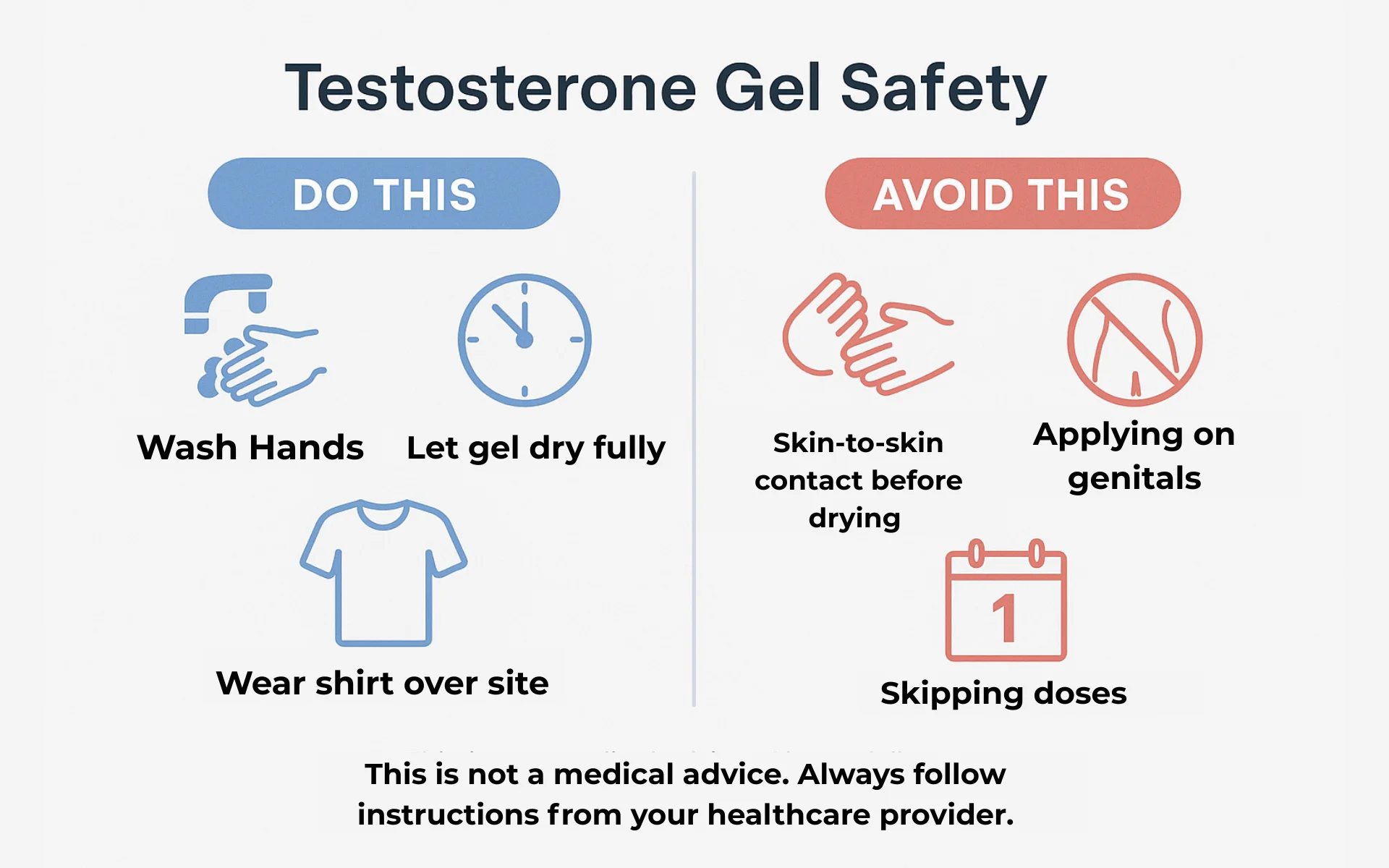
Prevention Checklist: – Wash hands after applying – Let gel dry completely – Cover application area
Key Takeaways: – Most side effects are mild – Avoid contact with others until dry – Regular lab monitoring is essential
6. Safe Use & Compliance Checklist
If a dose is missed, follow the instructions supplied with the specific product or contact the prescribing clinician or pharmacist. Do not double the next dose unless specifically instructed.
A: Not necessarily. Gel offers steadier hormone levels with fewer fluctuations
Q: Can gel raise testosterone to normal levels?
A: Yes — with proper dosing and consistency, it’s clinically effective.
Q: Who should avoid testosterone gel?
A: Men with prostate/breast cancer history, polycythemia, unexplained infertility, or those without confirmed low testosterone.
Q: Is long-term use safe?
A: Yes — when monitored with labs (PSA, hematocrit, etc.) every 3–12 months.
8. Conclusion — Choosing What Works Best
Testosterone gel can be an effective option for appropriately diagnosed patients, but effectiveness should be judged through symptoms, laboratory results, tolerability, and clinician follow-up rather than by dose escalation or self-adjustment.
About MedsVista Research Desk
MedsVista Research Desk prepares educational medication content using publicly available medical references, safety-focused editorial standards, and medication education principles. Content is written for general information and should not replace diagnosis, treatment planning, or medical advice from a licensed healthcare provider.
About MedsVista Research Desk
MedsVista Research Desk is the internal editorial and research team behind MedsVista's educational health content. Articles are prepared using publicly available medical references, product information, safety resources, and internal editorial review standards.


 Testosterone Gel
 Avanafil




8 thoughts on “Is Testosterone Gel Effective? Benefits, Risks & Safety Explained”