


 Testosterone Gel
 Avanafil

Testosterone Gel vs Shot: Which Works Best?

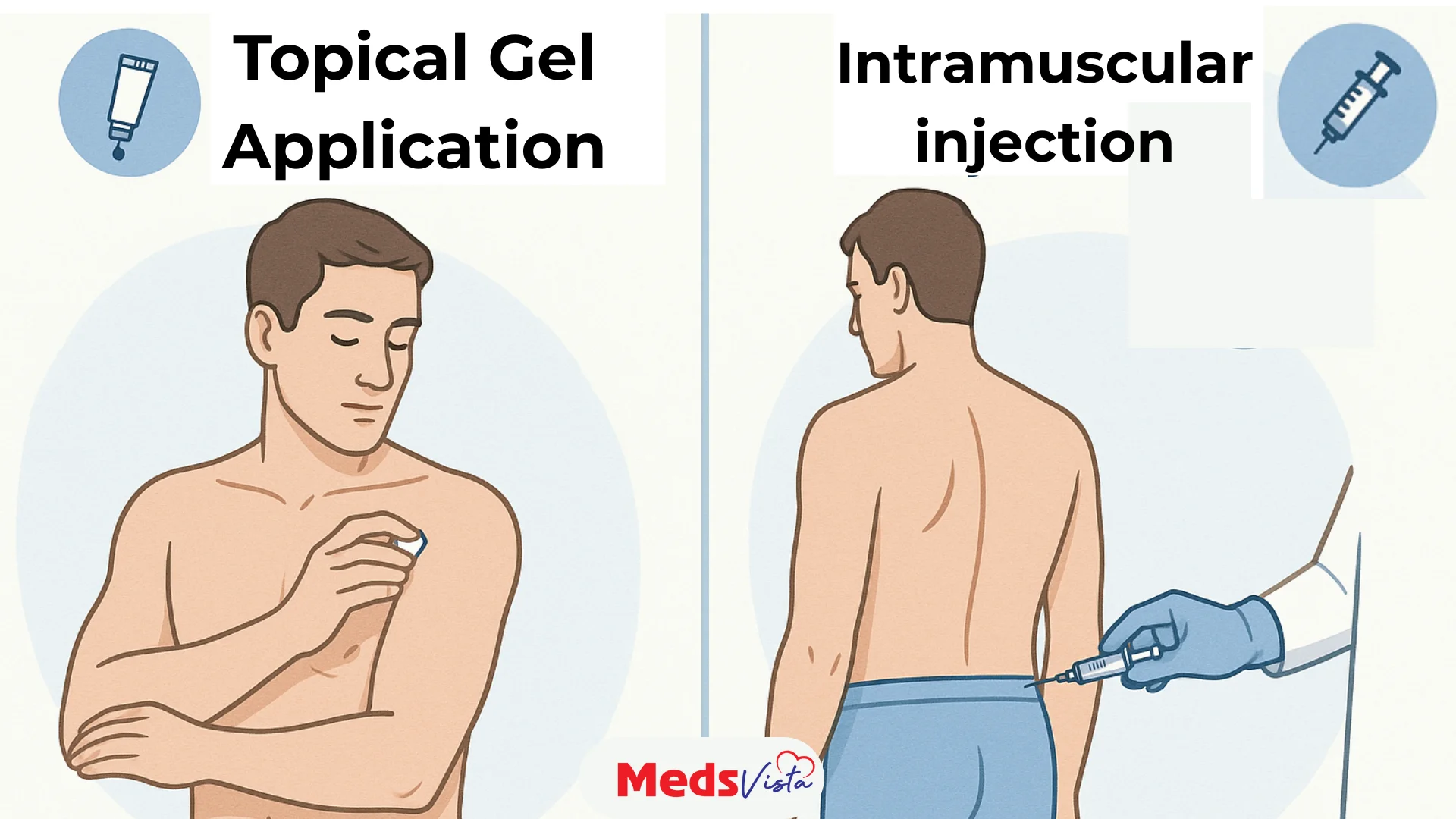
Testosterone gel and testosterone injections are two prescription delivery methods used in testosterone replacement therapy. Neither method is automatically best for everyone. The choice depends on diagnosis, monitoring, medical history, lifestyle, absorption, tolerance, convenience, cost, and clinician guidance.
Start by exploring Hormone Therapy options and reviewing Healthline: TRT Uses, Side Effects, and Cost for a foundational understanding.
Medical Note
Testosterone gel is a prescription form of testosterone therapy. It should only be used after appropriate medical evaluation, laboratory testing, and guidance from a licensed healthcare provider. This article is for educational purposes and does not replace professional medical advice, diagnosis, or treatment.
1. What Is Testosterone Replacement Therapy (TRT)?
Testosterone Replacement Therapy (TRT) is a medically supervised approach aimed at restoring testosterone levels in men who experience symptoms of deficiency. Low testosterone, or “Low T,” can result from natural aging, injury, infection, or genetic conditions. TRT addresses hormonal imbalance by delivering synthetic testosterone through various methods, such as gels, injections, or patches.
It’s not a one-size-fits-all solution—dosage, administration form, and frequency are carefully tailored by healthcare providers based on lab results and symptom profiles. While TRT is not recommended for men with normal hormone levels, it can dramatically improve quality of life for those clinically diagnosed with hypogonadism.
Key Takeaways:
- TRT helps restore hormonal balance in men with clinically low testosterone.
- Benefits may include improved mood, energy, libido, and physical function.
- It comes in several delivery forms, including gels, shots, patches, and implants.
2. Why Men Need TRT
Testosterone plays a vital role in many male physiological functions, including bone density, red blood cell production, fat distribution, muscle strength, and sexual function. When levels drop below the normal range, a wide array of symptoms can develop. These may range from chronic fatigue and erectile dysfunction to depression and reduced cognitive focus.
Clinicians typically diagnose testosterone deficiency based on blood tests and symptom assessments. While aging naturally lowers testosterone, not every aging male needs TRT. The treatment is most commonly prescribed for men with hypogonadism, where the body produces insufficient testosterone due to dysfunction in the testes or hypothalamus.
Key Takeaways:
- TRT is typically prescribed when testosterone levels fall below clinical norms.
- Symptoms of low testosterone include fatigue, decreased libido, mood swings, and muscle loss.
3. Forms of TRT: Gel, Shot, Patch, Cream, Implant
TRT can be administered through several delivery formats, each offering distinct advantages and limitations. Understanding these options helps patients and providers align treatment with individual preferences, lifestyle, and medical needs:
- Gel: Applied to clean, dry skin—usually the shoulders or upper arms—gels deliver testosterone transdermally over a 24-hour period. They’re discreet and easy to use but require daily application and precautions to avoid skin-to-skin transfer.
- Shot: Administered intramuscularly, typically in the gluteal muscles, testosterone injections provide a potent, direct hormone boost. Frequency varies from weekly to biweekly depending on dosage.
- Patch: Applied to skin daily, testosterone patches maintain consistent absorption but can cause skin irritation in some users.
- Cream: Similar to gel but often compounded and dosed differently. May offer more customizable strengths but with similar transfer risks.
- Implant: Small pellets inserted under the skin release testosterone steadily over months. They require minor surgical placement but offer long-term convenience.
Key Takeaways:
- The ideal method depends on your lifestyle, absorption needs, and medical history.
- Gels and injections are among the most prescribed.
- The ideal method depends on your lifestyle, absorption needs, and medical history.
4. Is Testosterone Gel or Shots Better?
Deciding between testosterone gel and injections involves weighing several factors: how the hormone is absorbed, how it fits into your routine, and how your body maintains testosterone levels over time. No option is universally “better,” but one may suit your needs more effectively.
4.1 Absorption Differences
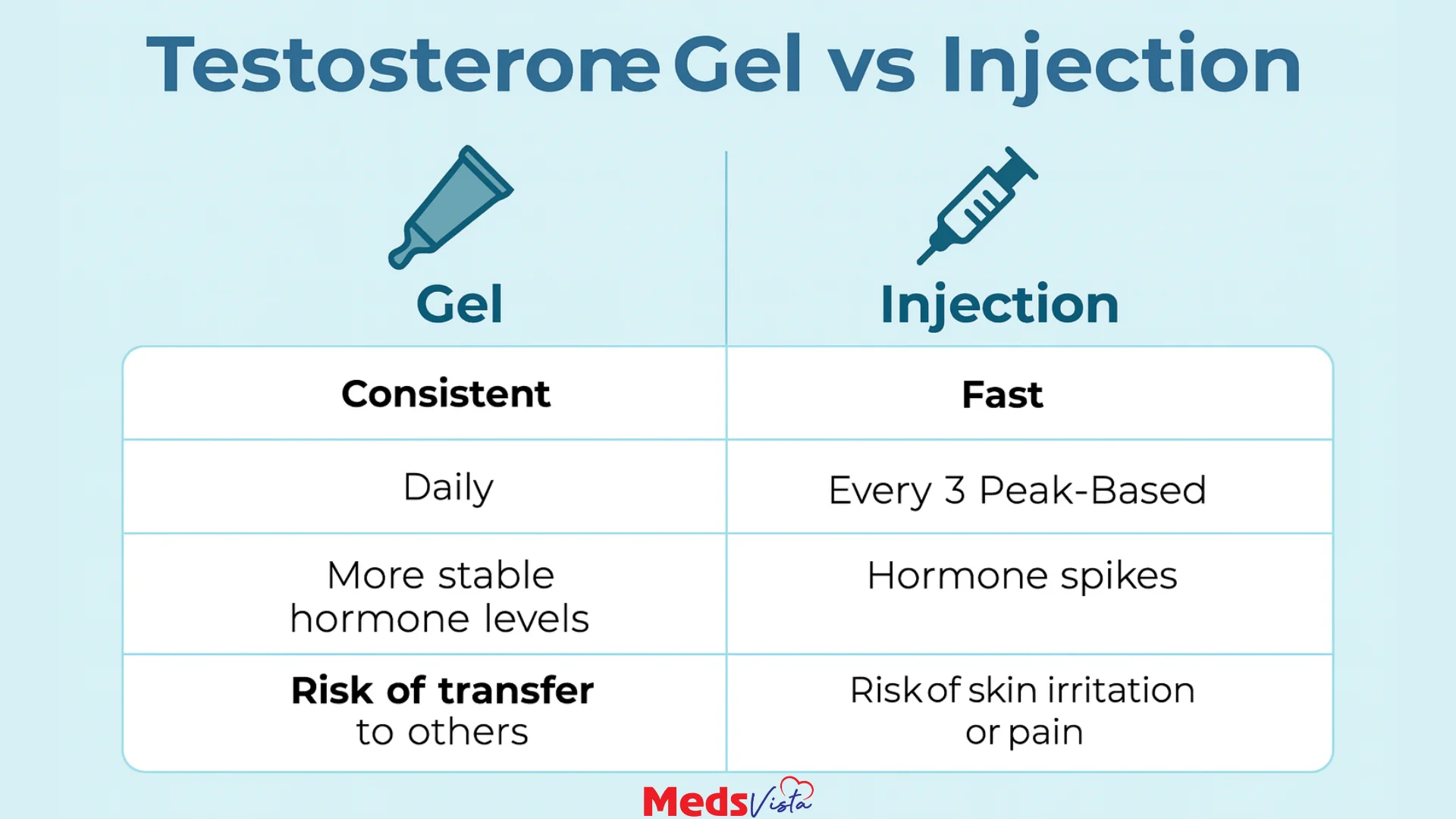
- Gel: Delivers testosterone slowly through the skin, producing steady, gradual increases in blood levels. Ideal for men who prefer consistency and dislike needles.
- Shot: Injected directly into the muscle, shots lead to rapid absorption and often a surge in hormone levels within 24–48 hours. This spike may be followed by a drop, leading to cyclical symptoms unless dosing is well-managed.
4.2 Convenience & Lifestyle Fit
- Gel: Requires daily application and drying time, which may interfere with morning routines or workouts. It also comes with transfer risk, requiring caution with partners and children.
- Shot: Administered less frequently (weekly or biweekly), making it attractive for men who travel or dislike daily regimens. Some may require clinic visits, though self-injection is an option.
4.3 Stability of Testosterone Levels
- Gel: Offers a more stable hormonal profile, which may reduce mood swings and energy dips.
- Shot: Tends to create peaks and troughs, which some users experience as irritability, fatigue, or libido shifts toward the end of the cycle.
Key Takeaways:
- Gels offer steady absorption but require daily use.
- Injections provide rapid results but may lead to hormonal fluctuations
5. How Effective Is Testosterone Gel?
Testosterone gel is a widely used option for TRT and is considered both effective and convenient for many users. When applied correctly, it delivers reliable symptom relief for those with diagnosed testosterone deficiency.
5.1 Symptom Improvements
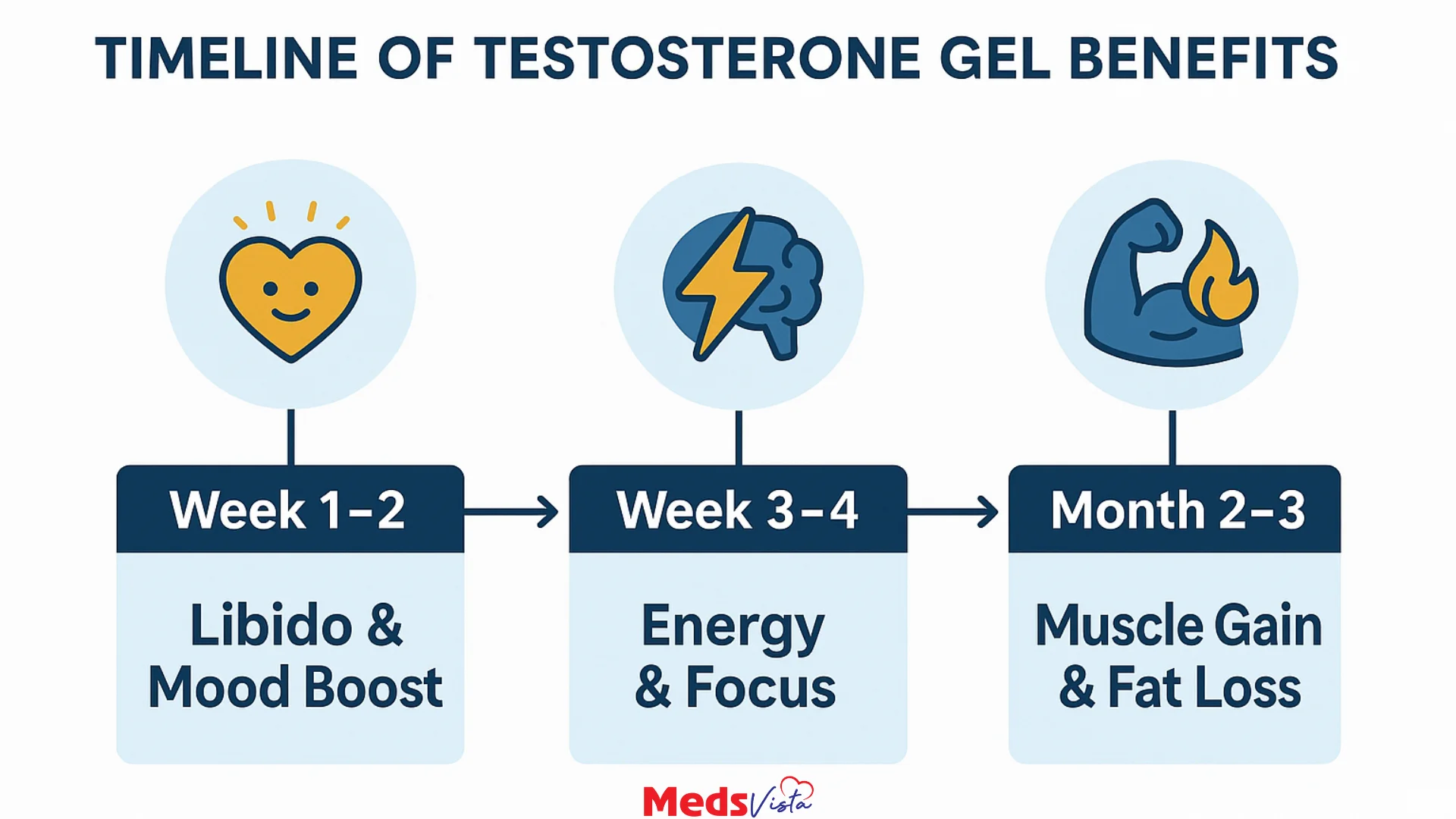
Most users report improvement in libido, energy levels, mood stabilization, and muscle tone within a few weeks. Cognitive sharpness and sleep quality may also improve.
5.2 Timeline for Results
Effects are often gradual. Libido and mood may improve in 2–3 weeks, while changes in body composition (muscle/fat ratio) may take 3–6 months. Patience and adherence are key.
5.3 Factors Influencing Effectiveness
Individual results depend on adherence, proper application (on clean, dry skin), age, body fat percentage, and co-existing medical conditions. Gels can be less effective if patients do not follow daily application instructions.
Key Takeaways:
- Gel is effective when applied correctly and consistently.
- Results appear gradually and depend on personal health factors.
6. How Effective Are Testosterone Shots?
Injections are a strong option for men who need more aggressive hormone support or struggle with absorption from topical methods. Their direct delivery into muscle tissue ensures the full dose reaches circulation.
6.1 Rapid Absorption & Stronger Peaks
Shots raise testosterone levels within 24 hours, offering quick symptom relief. Some users feel a noticeable difference after their first or second injection.
6.2 Cost-Effectiveness & Availability
Compared to gels and patches, testosterone injections are often more affordable over time. They are also widely accessible in clinics or pharmacies, with the option for at-home self-administration.
6.3 Suitability for Certain Patients
Men with severe hypogonadism or those seeking fertility preservation often opt for shots due to more precise dosing and stronger systemic impact. Injections can also be paired with other hormone therapies under doctor supervision.
Key Takeaways:
- Shots may be more effective for certain conditions.
- Offer a rapid onset but may require clinical support for administration.
7. Safety Considerations — Gel vs Shot
All TRT methods carry potential side effects and risks. These vary by form, dose, and individual health profile, and underscore the need for regular monitoring.
7.1 Risks of Transference (Gel)
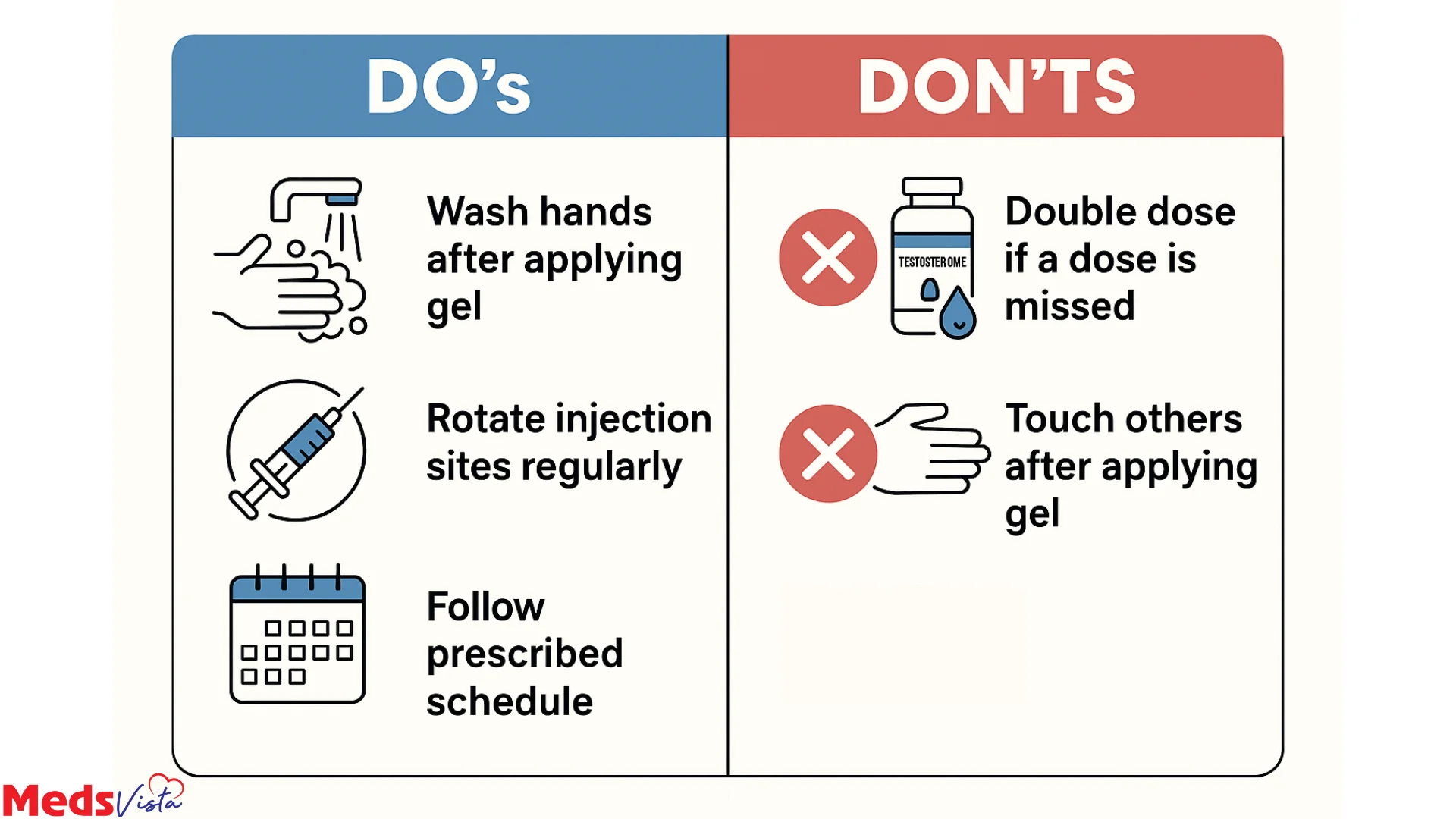
After application, gel residue can transfer to others through skin contact, posing hormone exposure risks to children, pets, or partners. Washing hands, covering application sites, and avoiding contact until dry is crucial.
7.2 Side Effects
Both methods may cause acne, oily skin, mood swings, or sleep disturbances. Gels can cause skin irritation, while injections carry risks of injection site pain, bleeding, or local infection.
7.3 Cardiovascular Risks
TRT may increase hematocrit levels (red blood cells), raising the risk of high blood pressure, stroke, or blood clots if not monitored. Regular blood tests are essential.
Key Takeaways:
- Both forms carry risks that require medical oversight.
- Gels pose a higher risk of unintentional transfer.
- Injections may affect hematocrit and require more lab work.
8. Lifestyle Fit & Adherence
A treatment that fits your lifestyle increases your chances of long-term success. Consider your daily habits, travel schedule, needle tolerance, and willingness to commit.
8.1 Daily Routines
If your mornings are rushed or involve physical activity, daily gel use might be inconvenient. Injections, done once or twice weekly, allow more scheduling freedom
8.2 Long-Term Adherence
Some men find the consistency of daily gel use beneficial, while others prefer the simplicity of weekly injections. Fear of needles, discomfort, or lack of self-administration skills can influence adherence.
8.3 Choosing Based on Preference
Men who travel often or want fewer reminders may prefer shots. Those seeking needle-free, self-administered therapy may lean toward gels. Your comfort level is just as important as clinical effectiveness.
Key Takeaways:
- Personal preference heavily influences TRT success.
- Adherence matters more than form.
9. Choosing which one is stronger and Better for You
The best TRT option balances medical effectiveness with lifestyle compatibility. Work with a qualified healthcare provider who monitors your testosterone levels, symptoms, and any side effects.
9.1 Doctor’s Guidance
Your doctor will assess your baseline hormone levels, conduct regular blood tests, and adjust treatment as needed. Avoid starting or changing TRT without supervision.
9.2 Lifestyle, Convenience & Safety Trade-offs
Each method presents a unique set of pros and cons. Gels are needle-free but require careful handling. Injections are less frequent but may cause more hormone fluctuation.
9.3 Modular Advice for Personas
- Busy professionals: Prefer the autonomy and privacy of gel.
- Athletes: Often opt for injections for stronger, measurable performance outcomes.
- Fertility-conscious men: Injections can be adjusted to protect sperm production, unlike other forms that may suppress it.
Key Takeaways:
- There is no one-size-fits-all solution.
- Shared decision-making with a healthcare provider is crucial.
Explore the Testosterone Gel Learning Hub
Is Testosterone Gel Effective? Benefits, Risks & Safety Explained
How Does Testosterone Gel Work?
How and Where to Apply Testosterone Gel
Testosterone Gel Application: Step-by-Step Guide
How Quickly Does Testosterone Gel Work? Realistic Timeline Guide
Signs Testosterone Gel Is Working
Testosterone Gel vs Shot: Differences, Benefits, Risks & Considerations
Is Testosterone Gel Available Over the Counter in the U.S.?
Cernos Gel vs Testosterone Injections: Differences & Considerations
Buying Testosterone Gel Online: Safety, Prescription & Source Checks
10. FAQs About Testosterone Gel vs Shots
Which works faster — gel or injection?
Injections act faster due to direct hormone delivery, with some noticing effects within 24–48 hours. Gels offer more gradual improvements but may take a few weeks.
Is testosterone gel safer than shots?
Each has unique risks. Gels avoid needles but pose transfer risks. Shots bypass skin but can cause hormone spikes or injection site reactions. Safety depends on usage and monitoring.
Can women use testosterone gel?
Yes, in specific low doses for postmenopausal symptoms or low libido, under strict medical supervision. It’s not safe for general use without prescription.
What happens if you miss a dose or injection?
- Gel: Apply it as soon as you remember. If it’s close to the next dose, skip it—don’t double.
- Shot: Contact your provider for rescheduling. A short delay usually won’t impact overall hormone levels, but consistency is key.
Conclusion — Finding Your Best TRT Option
Testosterone gel and shots are both effective options for treating low testosterone. Your best choice depends on your lifestyle, health profile, adherence ability, and treatment goals.
Work closely with your healthcare provider to monitor hormone levels, manage side effects, and adjust treatment as needed.
Looking for trusted testosterone gel options? Explore MedsVista’s verified products like Testoheal 40 mg and Cernos Gel for safe, affordable choices.
About MedsVista Research Desk
MedsVista Research Desk prepares educational medication content using publicly available medical references, safety-focused editorial standards, and medication education principles. Content is written for general information and should not replace diagnosis, treatment planning, or medical advice from a licensed healthcare provider.

5 thoughts on “Testosterone Gel vs Shot: Which Works Best?”