


 Testosterone Gel
 Avanafil

Ivermectin Side Effects: What to Expect & When to Be Careful

Introduction
Ivermectin side effects can range from mild discomfort to rare but serious complications. Ivermectin is a prescription antiparasitic medication used to treat infections such as onchocerciasis (river blindness), strongyloidiasis, and other parasitic diseases caused by roundworms. Though widely used and generally well tolerated, ivermectin may cause side effects in some individuals. Understanding what to expect, how to distinguish common from serious reactions, and when to consult a doctor can significantly improve treatment outcomes and patient confidence.
👉 Visit the MedsVista homepage for more patient-friendly medication guidance and safety tips.
1. Common Side Effects of Ivermectin
Most people who take ivermectin as prescribed experience only minor side effects that usually resolve on their own. These effects are typically temporary and may occur during the first few days of treatment as the body adjusts to the medication and begins eliminating the parasites.
Typical common side effects include:
- Nausea – A feeling of queasiness that may occur after taking a dose. Taking the medication with food can help.
- Diarrhea – Loose stools are a reported effect, especially early in treatment.
- Dizziness or lightheadedness – May relate to blood pressure changes and is more likely in older adults.
- Fatigue – A feeling of unusual tiredness may occur during the first few days.
- Mild skin rash or itching – Can result from the body’s reaction to parasite die-off.
- Abdominal discomfort or pain – Often mild and may be relieved by rest and hydration.
These reactions typically do not require medical attention unless they persist or worsen over time.
📖 See the Ivermectin Side Effects Summary – Drugs.com for a comprehensive list.
Tips for Managing Common Side Effects
- Take ivermectin with a meal to reduce stomach upset.
- Avoid sudden movements to minimize dizziness.
- Stay well-hydrated, especially if experiencing diarrhea.
Key Takeaways
- Common side effects are usually mild and short-lived.
- They often signal the body’s response to parasite treatment.
- Supportive care at home can improve comfort and tolerance.
2. Serious Side Effects & Red Flag Symptoms
While rare, ivermectin can cause serious side effects—especially in patients with underlying health conditions or those taking other medications. Recognizing these early is essential for safety.
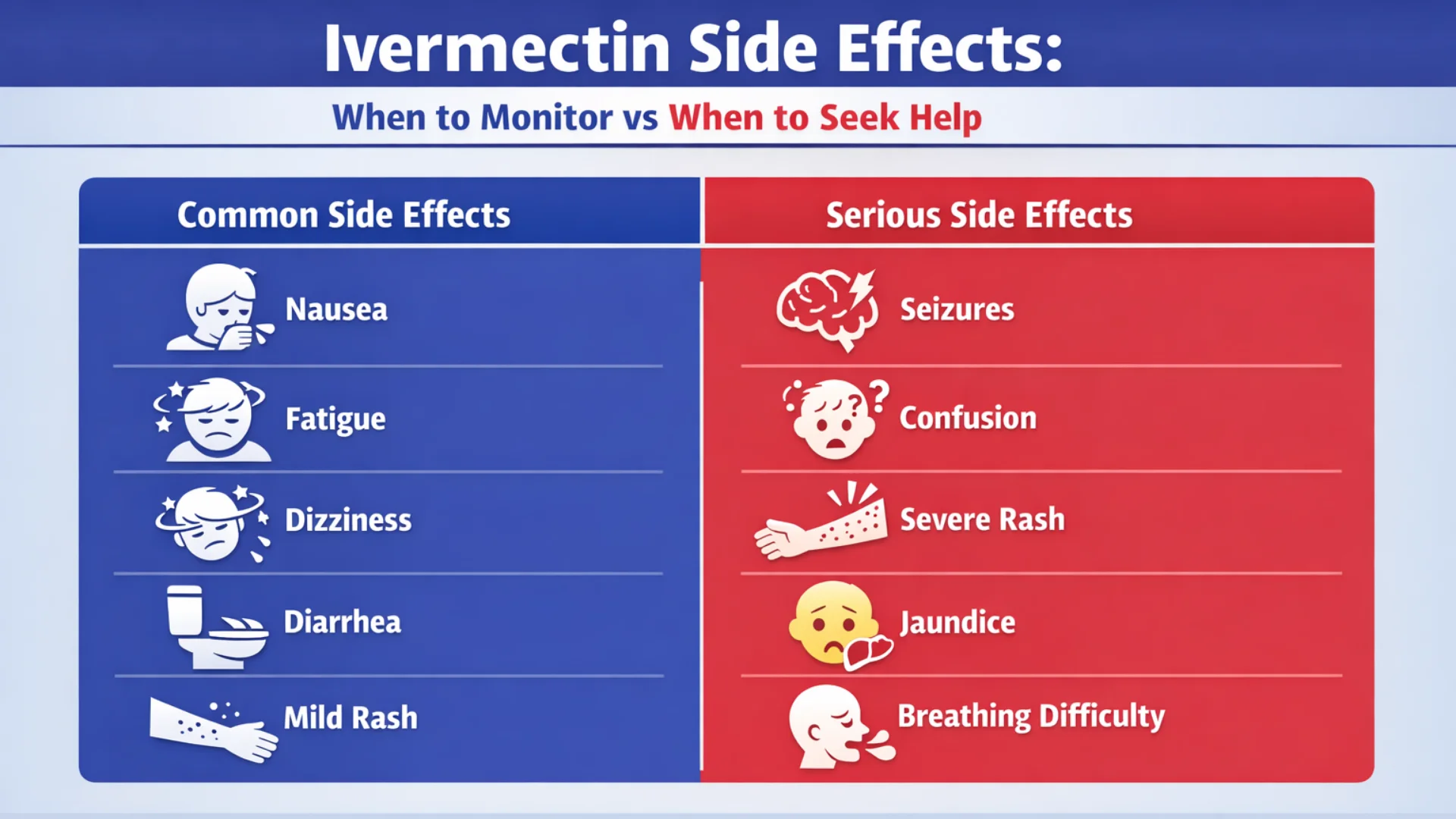
Potential serious side effects include:
- Confusion, hallucinations, or disorientation – May indicate neurological toxicity or drug interaction.
- Seizures – Rare but reported, particularly in patients with preexisting nervous system issues.
- Breathing difficulties or chest pain – Could indicate allergic reaction or cardiovascular strain.
- Severe skin reactions – Rash with fever, blistering, or peeling may signal Stevens-Johnson Syndrome.
- Visual disturbances – Blurred or impaired vision may reflect central nervous system effects.
- Liver injury – Watch for yellowing skin or eyes, dark urine, or pain in the upper right abdomen. Refer to this Hepatic Disorders With Ivermectin Use.
When to Seek Immediate Medical Help
- Confusion, seizures, or difficulty breathing — seek emergency care.
- Allergic reactions like swelling of the lips, tongue, or throat require urgent attention.
Medical Monitoring Recommendations
- Liver function tests may be needed if you have liver disease.
- Neurological symptoms in at-risk patients should be monitored.
🔬 See Serious Neurological Adverse Events After Ivermectin – PubMed for detailed insights.
Key Takeaways
- Serious reactions are rare but can be dangerous.
- Always report unusual symptoms during treatment.
- Timely care can prevent complications.
3. Rare & Population-Specific Risks
Certain individuals are more vulnerable to complications from ivermectin due to age, health conditions, or medication use.
Rare Side Effects
- Hypotension – Sudden blood pressure drops may cause fainting.
- Encephalopathy – Brain inflammation, particularly in those with heavy Loa loa infections.
- Lymph node swelling – Often a temporary immune response.
At-Risk Populations
- Older adults – More prone to central nervous system effects and dizziness.
- Patients with liver disease – Slower drug metabolism increases toxicity risk.
- Those on multiple medications – Risk of interaction with warfarin, benzodiazepines, or anti-seizure drugs.
- Pregnant/Breastfeeding individuals – Not usually recommended unless benefits clearly outweigh risks.
🔔 Consult your doctor.
Risk Reduction Strategies
- Fully disclose your medical history and medication list.
- Schedule routine follow-ups for monitoring.
Key Takeaways
- Personalized care is crucial for at-risk individuals.
- Drug interactions and underlying issues increase risks.
- Risks are manageable with proper screening and oversight.
4. Safety Warnings, Precautions & Disclaimers
Safe use of ivermectin depends on correct dosing, professional guidance, and avoiding misuse.
Essential Safety Precautions
- Do not self-medicate – Veterinary or OTC ivermectin is unsafe without a prescription.
- Avoid off-label use – See FDA Advisory on Ivermectin and COVID-19.
- Disclose full medical history – Especially neurological or liver conditions, and all current medications.
- Avoid alcohol – It can worsen side effects and burden the liver.
MedsVista Compliance Statement
This blog is for educational purposes only and does not replace medical advice. All decisions should be made in consultation with a licensed healthcare provider.
MedsVista sells WHO-GMP certified generics, not FDA-approved drugs.
We follow current clinical guidelines and do not endorse off-label use.
Key Takeaways
- Take ivermectin only under medical supervision.
- Proper usage minimizes risks.
- Trust only verified, medical-grade sources when researching treatments.
5. Frequently Asked Questions (FAQs)
Does ivermectin cause liver problems?
Yes, though rarely. Those with liver disease or taking other hepatotoxic drugs are at higher risk. Your doctor may monitor liver enzymes.
👉 Explore our Ivermectin Product Category
When should I stop taking ivermectin?
Stop immediately and seek medical help if you experience:
- Seizures or confusion
- Vision changes
- Rash with blistering or peeling
- Breathing difficulty or swelling
Is ivermectin safe for elderly patients?
Yes, with proper dosing and close monitoring for side effects like dizziness or low blood pressure.
Can I take ivermectin if I have liver disease?
It depends on severity. Never self-prescribe — your doctor will assess if it’s safe or needs dose adjustment.
What should I do if I miss a dose?
Take it as soon as you remember unless it’s close to your next dose — in that case, skip it. Do not double up.
Conclusion: How to Use Ivermectin Safely
Ivermectin is a globally trusted antiparasitic medication with decades of clinical use and proven efficacy against a range of parasitic infections. When used correctly, it offers significant therapeutic benefits with a relatively low risk of adverse effects. However, like any medication, ivermectin must be used responsibly — under medical supervision and with a full understanding of potential side effects and personal health considerations.
While common side effects such as nausea, fatigue, or dizziness are usually mild and temporary, serious reactions, although rare, can occur — particularly in individuals with underlying liver or neurological conditions, or those taking multiple medications. Recognizing early warning signs like visual changes, confusion, seizures, or allergic responses can be life-saving. Proper use not only reduces these risks but also improves treatment outcomes and patient comfort.
Ivermectin should never be self-prescribed or sourced from unregulated channels, such as veterinary products or online marketplaces. Doing so poses serious health dangers. Only take ivermectin that has been prescribed by a licensed healthcare provider, with dosing tailored to your medical history and current health status.
Being transparent with your provider about your medications, existing conditions, and any symptoms you experience during treatment allows for early intervention and safer therapy. This is especially important for elderly patients, pregnant or breastfeeding individuals, and those managing chronic illnesses.
Actionable Steps for Safe Ivermectin Use
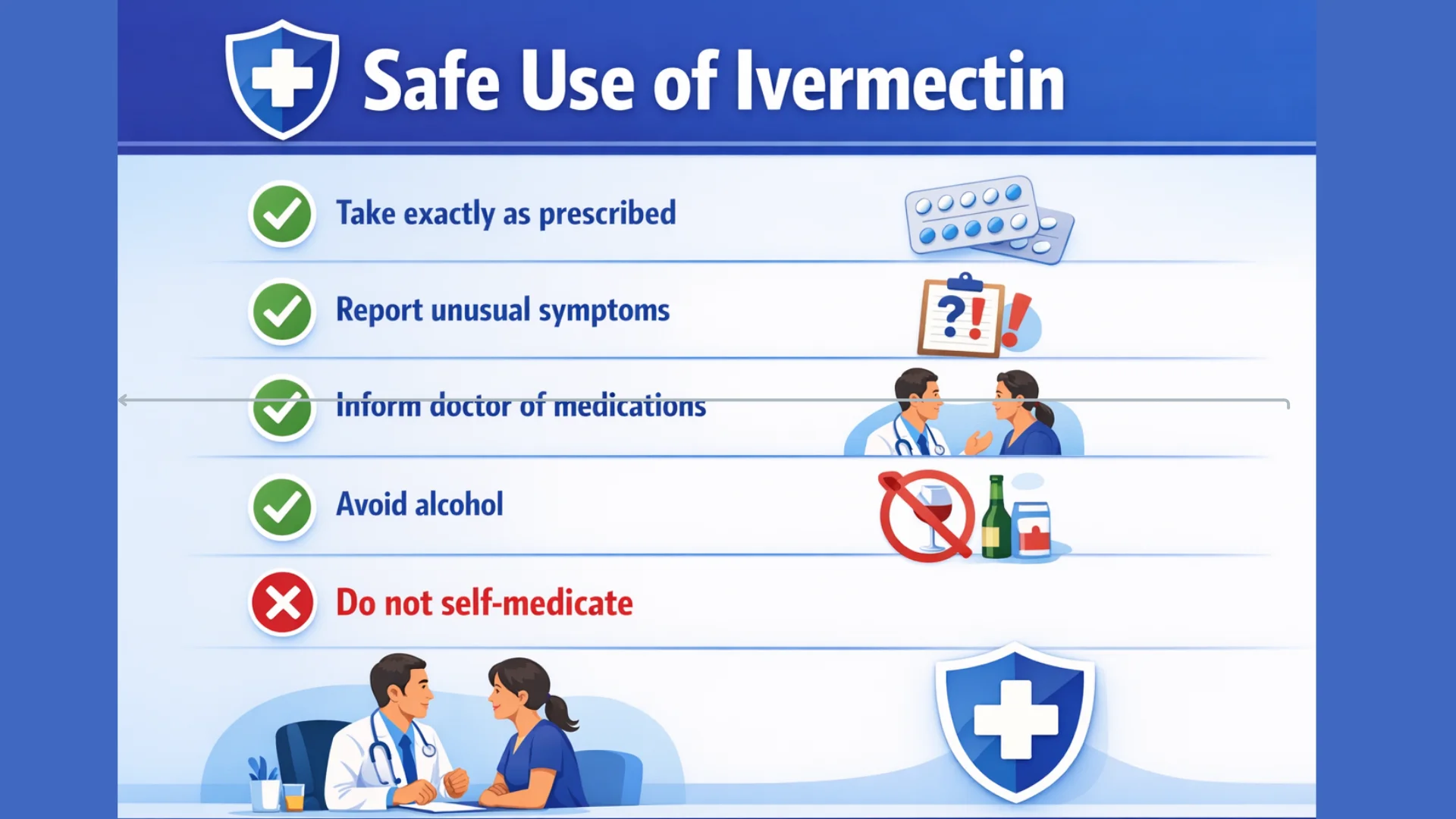
- ✅ Take exactly as prescribed — never exceed or skip doses without medical advice.
- ✅ Report side effects immediately — even mild symptoms can offer clues to dosage needs or interactions.
- ✅ Disclose all medications and health conditions to your provider before starting treatment.
- ✅ Avoid alcohol and be cautious with other drugs that may affect liver function or the central nervous system.
- ✅ Use only legitimate sources — avoid unverified or non-human ivermectin products.
With proper guidance and monitoring, ivermectin remains a safe and effective treatment option for many patients. Always consult your doctor, never self-medicate, and trust only verified medical sources for health information.
👉 For more information, visit:
