Testosterone Gel
 Avanafil

Breaking the Stigma: How to Talk to Your Partner About Erectile Dysfunction and Sexual Health

Juuly 11th, 2025 | Written by Dr. James Carter
Introduction
Knowing how to talk to your partner about erectile dysfunction is crucial, as ED affects millions of men worldwide—yet it remains a taboo topic in many relationships. Despite being common, many men struggle to open up about it, and partners are often left confused or hurt by the silence. This communication gap can lead to emotional distance, misunderstandings, and unnecessary stress. Understanding that ED is a medical condition—not a reflection of desire or masculinity—is the first step toward breaking the stigma and rebuilding intimacy. Learn more about ED’s medical causes and prevalence here: Erectile Dysfunction – Mayo Clinic.
Social pressures and myths around masculinity often make ED feel like a personal failure, when in fact it’s a treatable condition. Many men internalize guilt or anxiety, while their partners may interpret the withdrawal as a loss of interest. Breaking that cycle starts with understanding—and with a conversation rooted in honesty and compassion.
In this post, we’ll show you how to talk to your partner about erectile dysfunction, how to approach the topic with confidence, and how to move forward together with empathy and trust.
Understanding ED: Breaking the Stigma
What is Erectile Dysfunction?
Erectile dysfunction (ED) is the inability to achieve or maintain an erection firm enough for sexual intercourse. While occasional difficulties with erections are normal, persistent ED can indicate an underlying medical or psychological issue. ED is more common in older men, but it can affect individuals of all ages. According to studies, approximately 30 million men in the United States experience ED, making it one of the most prevalent sexual health concerns.=
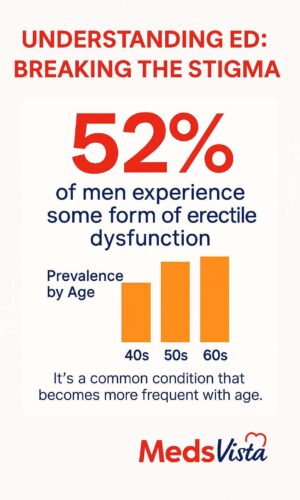
Although ED is often associated with aging, it is not an inevitable part of getting older. It is usually a symptom of another health condition rather than a standalone disorder. Fortunately, ED is treatable, and many men regain normal function through lifestyle changes, medication, therapy, or medical procedures.
Common Causes of ED
Erectile dysfunction can arise from a wide range of causes—many of which are both common and treatable. Chronic conditions like diabetes, high blood pressure, and obesity can affect blood flow or nerve function, directly impacting performance. Psychological factors such as stress, anxiety, or depression also play a significant role, often creating a feedback loop that makes symptoms worse. A concise breakdown of contributing factors is available here: What causes erectile dysfunction? – NHS.
Lifestyle choices matter too. Smoking, alcohol use, lack of sleep, or a sedentary routine can all increase your risk of experiencing ED. Even medications taken for unrelated health concerns—like antidepressants or blood pressure drugs—can occasionally interfere with sexual function.
If you’re wondering how to talk to your partner about erectile dysfunction, understanding the root cause is a crucial first step toward finding a solution. With the right combination of medical guidance and behavioral adjustments, most cases of ED can be reversed or effectively managed—especially when addressed together with your partner.
1. Medical Conditions
Several underlying health conditions can interfere with the body’s ability to achieve and maintain an erection. These include:
- Cardiovascular Disease: ED is closely linked to heart disease and poor circulation. Conditions such as atherosclerosis (narrowing of the arteries) can restrict blood flow to the penis, making it difficult to get or maintain an erection.
● Diabetes: Men with diabetes are at three times higher risk of developing ED due to nerve and blood vessel damage caused by high blood sugar levels.
● High Blood Pressure: Hypertension can damage blood vessels, reducing blood flow to the penis, and some medications used to treat high blood pressure can contribute to ED.
● Hormonal Imbalances: Low testosterone levels, thyroid disorders, and excessive levels of prolactin or cortisol can interfere with normal erectile function.
● Obesity and Metabolic Syndrome: Excess weight can contribute to vascular disease, inflammation, and hormone imbalances, all of which may lead to ED.
2. Psychological Factors
Mental and emotional health plays a significant role in erectile function. The brain is responsible for triggering the physical reactions needed for an erection, and when mental health is compromised, sexual function may suffer. Common psychological causes include:
- Anxiety & Stress: Performance anxiety, financial stress, or work-related pressure can contribute to ED.
● Depression: Reduced libido and difficulty achieving erections are common symptoms of depression.
● Relationship Issues: Poor communication, unresolved conflicts, or lack of emotional intimacy may result in ED.
Psychological ED is often cyclical—a single instance of performance anxiety can lead to fear of failure, making future sexual encounters even more difficult. Addressing mental health through therapy, stress reduction techniques, and open communication can help manage ED.
3. Lifestyle Habits
Daily habits can significantly influence erectile function. Factors such as diet, physical activity, and substance use play a role in vascular health and hormone levels. Key lifestyle contributors to ED include:
- Poor Diet: Diets high in processed foods, sugar, and unhealthy fats contribute to obesity, diabetes, and cardiovascular disease, all of which increase the risk of ED.
● Lack of Exercise: Regular physical activity, especially cardio and strength training, improves circulation, increases testosterone levels, and reduces stress—all beneficial for erectile function.
● Smoking: Smoking damages blood vessels and reduces nitric oxide production, which is essential for achieving an erection.
● Excessive Alcohol Consumption: Chronic alcohol use can lead to nerve damage (alcoholic neuropathy) and hormone imbalances, making ED more likely.
● Substance Abuse: The use of recreational drugs such as opioids, cocaine, and marijuana has been linked to erectile dysfunction.
Men experiencing ED should consider making lifestyle changes, as improving diet, quitting smoking, and exercising regularly can enhance erectile function naturally.
4. Medications & Treatments
Certain medications used to treat common health conditions may have ED as a side effect. If you suspect your medication is causing ED, consult your doctor before stopping or switching prescriptions. Common medications linked to ED include:
- Antidepressants & SSRIs (Selective Serotonin Reuptake Inhibitors): Used for depression and anxiety, but they may lower libido and affect erections.
● Blood Pressure Medications (Beta-Blockers & Diuretics): These drugs help control hypertension but may reduce blood flow to the penis.
● Hormonal Medications & Prostate Treatments: Some medications for prostate cancer and hormone therapy can lead to ED by reducing testosterone levels.
● Painkillers & Opioids: Long-term opioid use can suppress testosterone production, leading to erectile issues.
If you suspect medication-related ED, discuss alternatives with your healthcare provider to explore safer treatment options that do not compromise sexual function.
Source: Understanding Erectile Dysfunction
Why ED Stigma Exists – A Deeper Look
Erectile dysfunction stigma doesn’t arise in a vacuum—it’s shaped by deep-rooted beliefs about masculinity, cultural silence, and emotional vulnerability. For anyone wondering how to talk to your partner about erectile dysfunction, understanding these underlying forces is essential. Before diving into the key drivers, the visual below offers a snapshot of the most common barriers that keep men from seeking help.
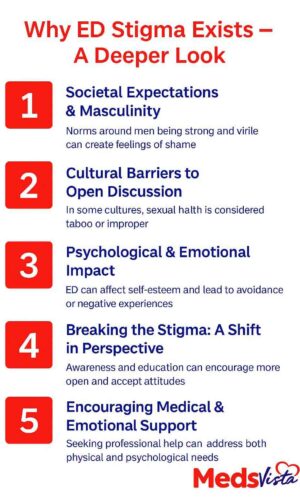
1. Societal Expectations & Masculinity
In many cultures, men are expected to be strong, virile, and always ready for sex. This belief system creates pressure to perform sexually at all times, and when ED occurs, it is often seen as a failure of manhood rather than a medical condition. This unrealistic expectation discourages men from discussing their struggles, often leading to feelings of inadequacy and self-doubt.
2. Cultural Barriers to Open Discussion
In some communities, discussing sexual health is considered taboo or inappropriate, even within relationships. Lack of sexual education and open dialogue means many men suffer in silence, fearing judgment from their partners, peers, or even medical professionals.
3. Psychological & Emotional Impact
The emotional toll of ED extends beyond the physical condition. Many men experience anxiety, depression, and reduced self-esteem due to ED, which can create a cycle of stress that worsens the condition. Fear of rejection or disappointing a partner may lead to avoidance of intimacy altogether, straining relationships and leading to emotional disconnect.
According to Verywell Mind, psychological ED can be exacerbated by past negative experiences, performance anxiety, and self-imposed pressure to meet unrealistic standards. This can cause a vicious cycle where fear of failure leads to repeated instances of ED, reinforcing the stigma and deepening emotional distress.
4. Breaking the Stigma: A Shift in Perspective
To combat the stigma, it’s essential to reframe ED as a medical condition rather than a personal failure. Just like high blood pressure or diabetes, ED has treatable causes that can be managed with lifestyle changes, medication, or therapy. Encouraging open discussions between partners, increased awareness, and seeking professional help can empower men to address ED without shame.
Many men feel hesitant to talk to their doctors about ED due to embarrassment. However, education and awareness can help men recognize that ED is common and that medical support is available. Breaking the stigma starts with normalizing conversations around sexual health and ensuring that men feel safe discussing their concerns.
5. Encouraging Medical & Emotional Support
Seeking professional help is not a sign of weakness, but rather a step toward regaining confidence and intimacy. When men feel supported by their partners and communities, they are more likely to address the issue and explore treatment options without fear of judgment.
Partners play a crucial role in reducing ED-related stigma. Being understanding, patient, and supportive rather than critical can help men feel more comfortable discussing and addressing their ED. Studies suggest that couples who openly discuss ED experience stronger relationships and improved emotional intimacy.
By normalizing conversations about ED, challenging outdated beliefs, and promoting medical understanding, we can help break the stigma and ensure that more men feel comfortable seeking the support they need.
Source: Verywell Mind
How to Talk to Your Partner About Erectile Dysfunction: Starting the Conversation with Confidence
1. Choose the Right Time & Place
Timing is crucial. Avoid bringing up ED in moments of frustration, after a failed sexual experience, or during an argument. Instead, choose a private, relaxed setting where both of you feel comfortable and free from distractions.
A good approach is to introduce the topic when you’re already having a heartfelt conversation about your relationship. Ensure that the environment feels safe and non-judgmental, allowing for an open discussion. You can say something like:
- “I care about our intimacy and our relationship. I want to talk about something that might help us both feel more connected.”
- “I’ve noticed some changes, and I want to support you however I can.”
🛋️ Tip 1: Creating the right environment is essential when learning how to talk to your partner about erectile dysfunction—choose calm, private moments that invite connection, not pressure.
Experts suggest that a calm, understanding approach reduces defensiveness and encourages honest communication. Making it clear that this conversation is about mutual well-being rather than blame will help create a supportive atmosphere.
2. Use Supportive & Non-Judgmental Language
When discussing ED, avoid blame or frustration, as this may make your partner defensive. Instead, focus on reassurance and solutions. Try using statements that emphasize teamwork and emotional connection:
- Instead of: “Why can’t you get an erection?”
● Say: “I know this must be difficult for you, and I want to support you.”
● Instead of: “This is ruining our intimacy.”
● Say: “Our relationship is about more than just sex, and I’m here for you.”
Using affirming language can reduce performance anxiety and help your partner feel less pressure. You can also express that ED doesn’t define their worth or the strength of your relationship.
According to Verywell Mind, reminding your partner that ED is a medical condition rather than a personal failing can make the conversation more constructive and less stressful. Acknowledging their feelings and showing encouragement can ease anxiety surrounding the topic.
💬 Tip 1: Learning how to talk to your partner about erectile dysfunction means choosing words that uplift, not criticize—use affirming language to ease pressure and build connection.
3. Be Open & Listen Actively
Encourage your partner to share their thoughts and feelings without fear of judgment. Learning how to talk to your partner about erectile dysfunction begins with creating a safe space for open dialogue. Many men hesitate to discuss ED due to embarrassment, so a calm, supportive approach is crucial. Practice active listening by:
- Maintaining eye contact and offering reassurance.
- Repeating what your partner says to show understanding.
- Avoiding interruptions or dismissing their concerns.
🗣️ Tip 3: Learning how to talk to your partner about erectile dysfunction takes practice—don’t rush the process. Focus on honesty, empathy, and timing.
If your partner is reluctant to talk, remind them that ED is common and treatable, and emphasize that you’re in this together. You may also share personal experiences or insights from other sources to make them feel less isolated.
Experts suggest that patience and reassurance play a key role in helping men overcome ED-related anxiety. Encouraging professional medical advice while offering unwavering emotional support can significantly strengthen trust and intimacy.
Source: Verywell Mind
Internal Resources for ED Treatment
Erectile dysfunction (ED) is a common yet treatable condition, and finding the right solution can significantly improve both confidence and intimacy. If you or your partner are seeking reliable ED treatment options, it’s essential to choose clinically tested and FDA-approved medications for safety and effectiveness.
At Medsvista.net, we offer a range of trusted erectile dysfunction treatments with discreet delivery, ensuring both privacy and convenience. Whether you’re looking for prescription medications, long-lasting treatments, or natural alternatives, we have options tailored to your needs.
1. Sildenafil (Viagra) – Enhancing Blood Flow for Better Erections
Sildenafil, commonly known as Viagra, is one of the most well-known and widely used treatments for ED. It belongs to a class of medications called PDE5 inhibitors, which work by increasing blood flow to the penis, allowing for stronger and longer-lasting erections.
✅ How It Works: Sildenafil enhances nitric oxide levels in the body, relaxing blood vessels and improving circulation to the penile tissue.
✅ Onset Time: Effects typically begin 30–60 minutes after consumption.
✅ Duration: Sildenafil remains active in the system for 4–6 hours, making it a great option for planned intimacy.
✅ Who It’s Best For: Ideal for men who need a fast-acting, short-term solution for ED.
For more details on Sildenafil, visit our Sildenafil (Viagra) product page.
2. Tadalafil (Cialis) – A Longer-Lasting ED Solution
Tadalafil, also known as Cialis, is another PDE5 inhibitor but is distinct from Sildenafil due to its extended duration of action.
✅ How It Works: Like Sildenafil, Tadalafil relaxes blood vessels and improves blood flow to help achieve and maintain an erection.
✅ Onset Time: Takes 30 minutes to 2 hours to become effective.
✅ Duration: Known as the “weekend pill,” its effects can last up to 36 hours, offering more flexibility and spontaneity.
✅ Who It’s Best For: Ideal for men who prefer a longer-lasting effect and don’t want to plan intimacy around medication timing.
For more details on Tadalafil, visit our Tadalafil (Cialis) product page.
3. Natural Remedies for ED – Alternative Approaches
Not everyone wants to rely on pharmaceuticals. For those seeking a longer-term, holistic approach, natural remedies and lifestyle adjustments can significantly improve erectile function and overall sexual health. While medications like Sildenafil and Tadalafil work quickly, these alternatives support your body over time—focusing on root causes like circulation, hormone balance, and emotional well-being.
✅ Herbal & Nutritional Supplements
L-Arginine – An amino acid that helps increase nitric oxide levels, supporting better blood flow.
Panax Ginseng – Often called “herbal Viagra,” this adaptogen has shown promise in improving erectile performance.
Horny Goat Weed – Contains icariin, a compound that may enhance circulation and sensitivity.
✅ Lifestyle Improvements That Make a Difference
Exercise Regularly – Aerobic workouts and resistance training promote better blood flow and may naturally boost testosterone.
Eat for Heart Health – Diets rich in fruits, vegetables, lean protein, and healthy fats (like the Mediterranean diet) support vascular function.
Reduce Stress & Anxiety – Practices like meditation, therapy, or yoga can reduce performance anxiety and improve mood. For a deeper look at drug-free options, here’s a helpful summary: 5 natural ways to overcome erectile dysfunction – Harvard Health
Consistency is key—these strategies often take time, but they offer sustainable results without dependency on medication.
Find the Right ED Treatment for You
Choosing the right ED treatment depends on individual needs, preferences, and medical conditions. Whether you’re looking for fast-acting results, long-term solutions, or natural approaches, there are plenty of safe and effective options available.
🔹 Need help selecting the best ED treatment? Our experts are available to provide personalized recommendations. Browse our selection of FDA-approved ED medications and take the first step toward a confident, satisfying sex life.
👉 Explore Our Full Range of ED Medications Here
If you’re still unsure how to talk to your partner about erectile dysfunction, start by remembering that silence fuels stress—while honesty builds connection. Take the first step today.